Home yoga and Pilates are among the cheapest ways to get fit, and they fit into small spaces. What often goes wrong is a thin, slippery mat that makes poses uncomfortable and wrists sore, and forcing poses without props. Beginners then decide yoga is not for them, when the right support makes it accessible.
This list is ordered by how much each item helps. A good mat comes first by a long way. Props like blocks and straps come next because they make poses reachable and safer. Pilates equipment follows.
Prices below are approximate street prices at the time of writing and move around constantly, especially during sale events. Treat them as a rough band for budgeting, not a quote. Always check the live listing before you buy.
The short version
A non-slip yoga mat, 4-6mm thick
The piece that matters most
Disclosure. The links on this page are affiliate links. If you buy through one we may earn a commission at no extra cost to you. It does not affect what makes this list or the order it is in.
How we picked
These picks come from yoga and Pilates instructors' advice, fitness communities and long-run owner reports, cross-checked against current retail listings. We have not personally tested every item here. If you have an injury or health condition, check with a doctor or physio before starting.
At a glance
Prices are approximate at the time of writing and change often.
The picks
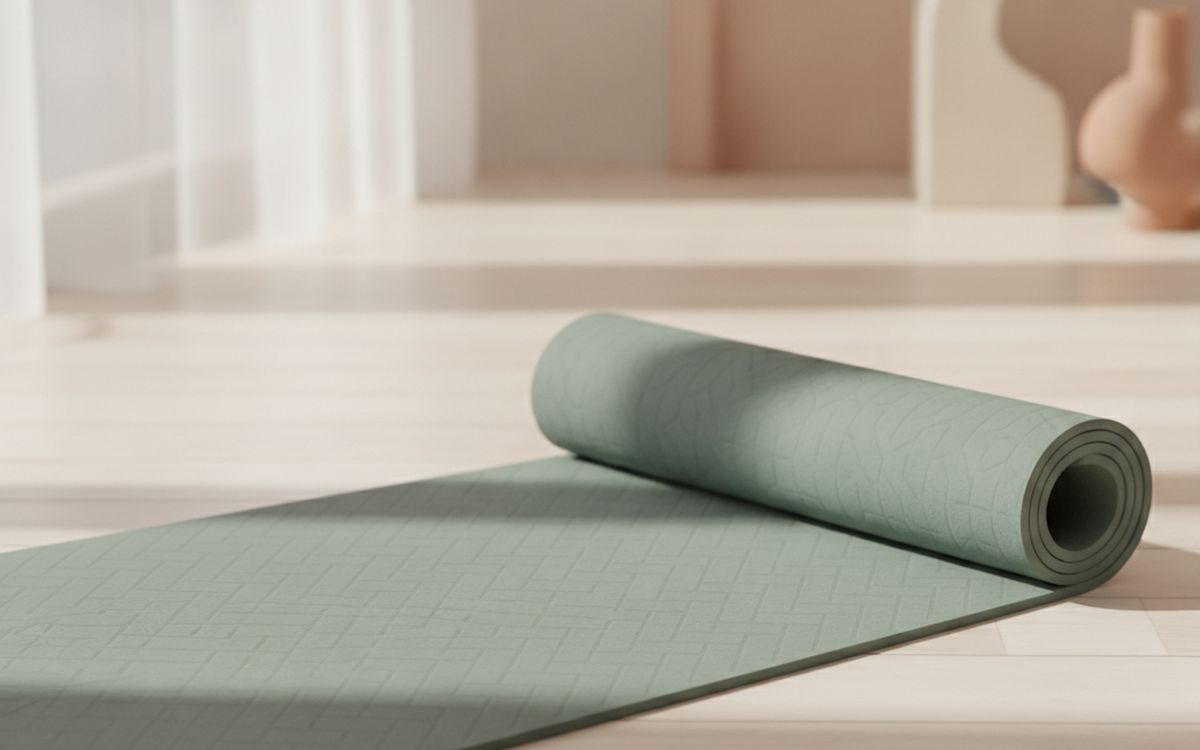
01 · The piece that matters mostA non-slip yoga mat, 4-6mm thick
Your mat is where every pose starts. A thin, slippery mat makes downward dog feel dangerous and kneeling painful. A 4-6mm mat with a grippy surface gives cushioning for knees and wrists and stops your hands sliding. Natural rubber mats grip best; TPE mats are lighter and cheaper. For Pilates, which involves more lying and rolling, a thicker mat is more comfortable. The case for it: grip and cushioning, safer poses, and lasts years. The trade-off is real: rubber mats smell at first and are heavy and too thick a mat affects balance, so weigh that against how often it would actually get used.
$30-90Trade-off: Rubber mats smell at first and are heavy
Why it is here
- Grip and cushioning
- Safer poses
- Lasts years
Worth knowing
- Rubber mats smell at first and are heavy
- Too thick a mat affects balance
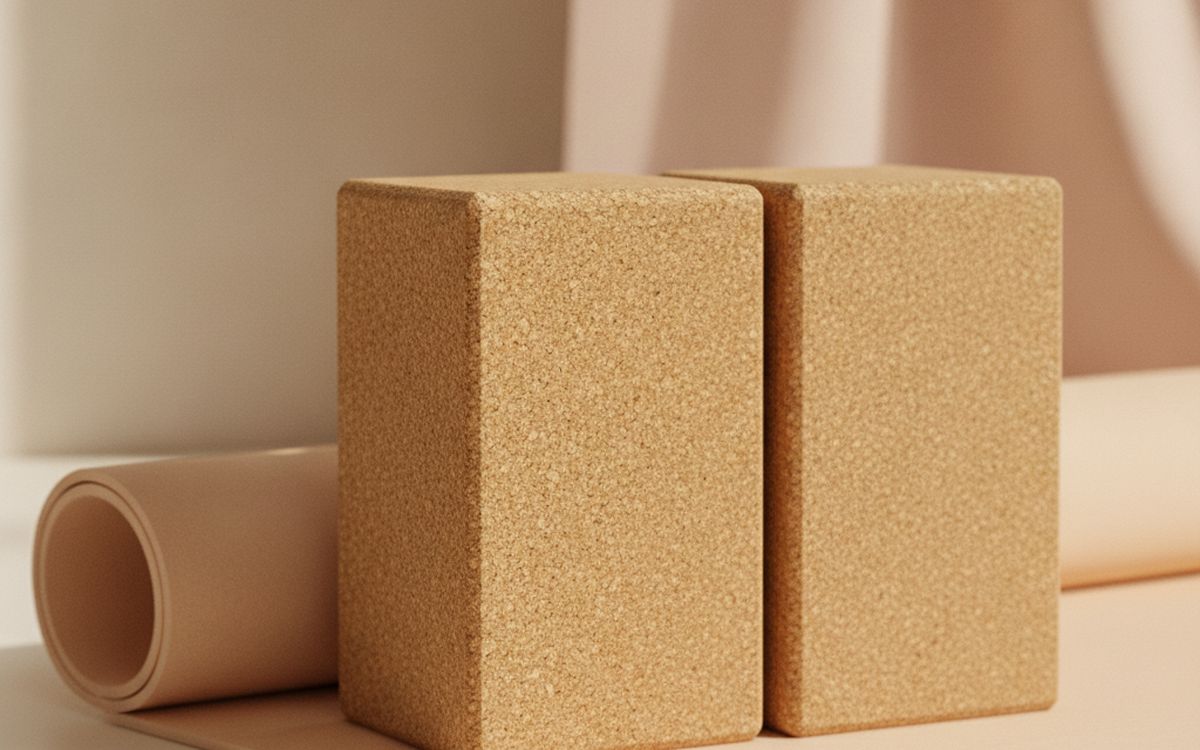
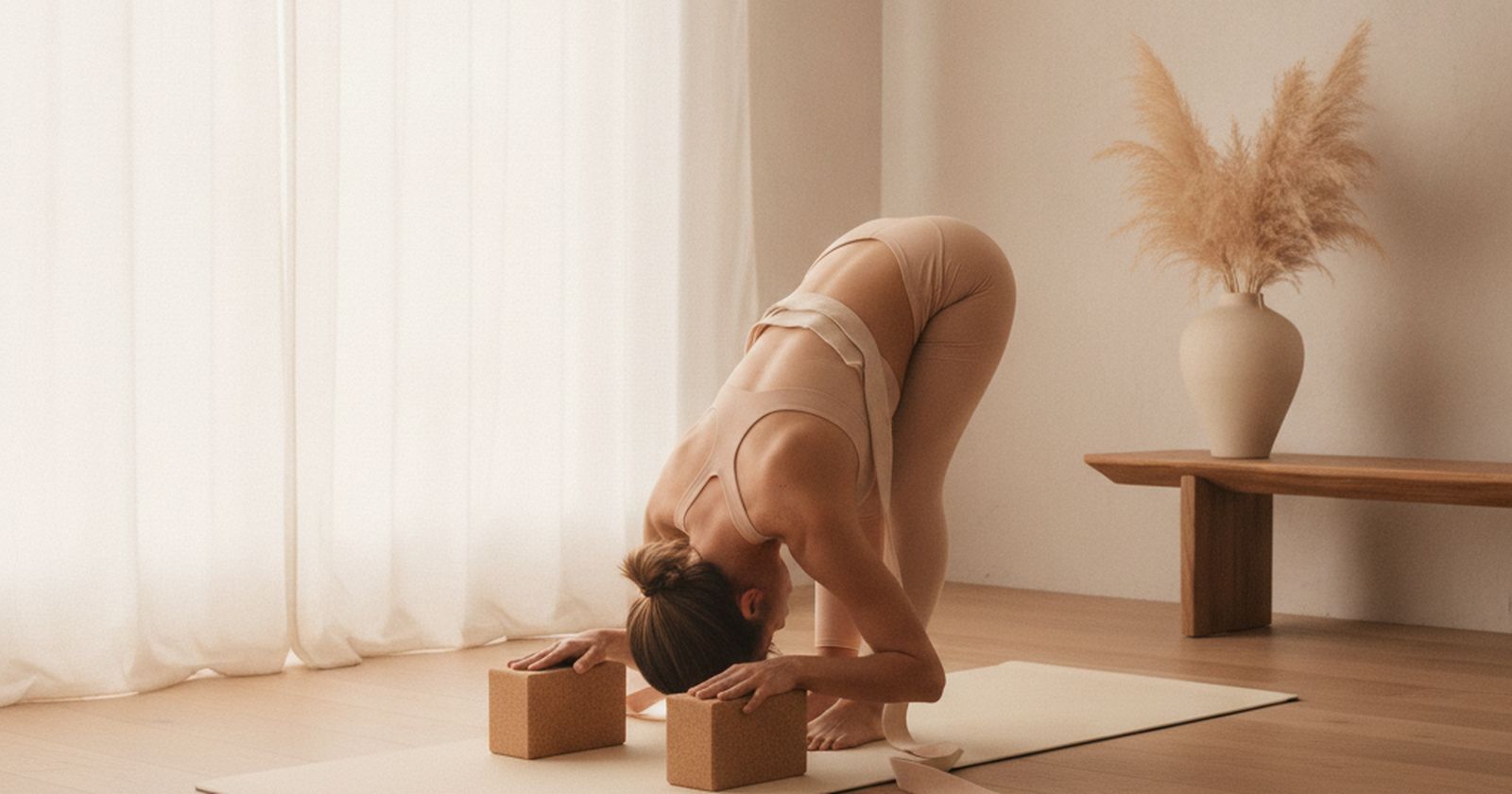
02 · Reaching poses safelyTwo foam or cork yoga blocks
Blocks bring the floor closer. If you cannot reach the ground in a forward fold or triangle, a block lets you keep good form instead of rounding your back. They also support seated poses and restorative work. Foam is lighter and softer; cork is firmer and steadier. Buy two. The case for it: makes poses accessible, better form, and cheap. The trade-off is real: foam blocks dent over time and cork is heavier, so weigh that against how often it would actually get used. For $15-30, it is a small, low-risk addition to the list rather than a centrepiece purchase you need to think hard about.
$15-30Trade-off: Foam blocks dent over time
Why it is here
- Makes poses accessible
- Better form
- Cheap
Worth knowing
- Foam blocks dent over time
- Cork is heavier
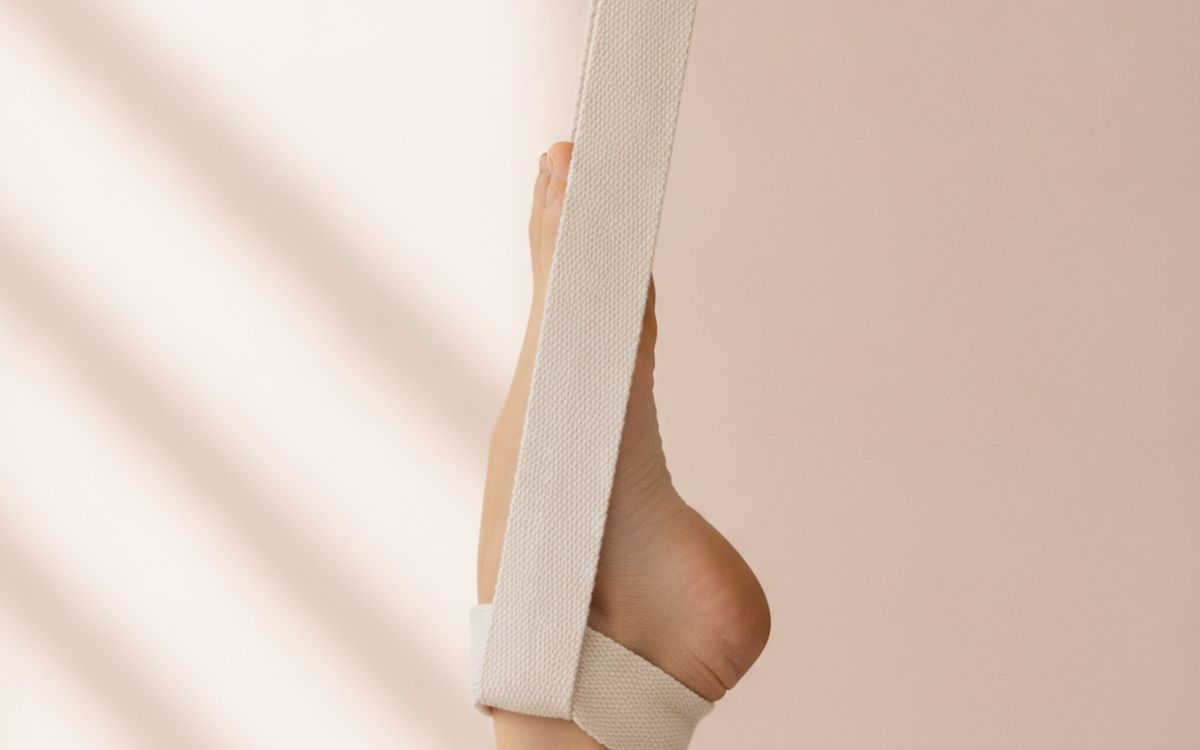
03 · Flexibility and stretchesA yoga strap
A strap extends your reach in stretches like seated forward folds and hamstring stretches, so you can hold good alignment while flexibility improves. A cotton strap with a buckle is cheap and lasts forever. The case for it: improves stretching, better alignment, and cheap. The trade-off is real: metal buckles can dig in and easy to overstretch, so weigh that against how often it would actually get used. Priced around $8-15, it is easy to justify even if it only ends up getting occasional rather than daily use. None of that makes it essential for everyone reading this, only worth knowing about if the description above matches how you actually use the space.
$8-15Trade-off: Metal buckles can dig in
Why it is here
- Improves stretching
- Better alignment
- Cheap
Worth knowing
- Metal buckles can dig in
- Easy to overstretch

04 · Core and inner thigh workA Pilates ring
A Pilates ring adds light resistance to exercises for the core, inner thighs, arms and chest. Squeezing it between the knees or hands makes mat Pilates more challenging. Padded handles are more comfortable. The case for it: adds resistance, targets core and thighs, and small. The trade-off is real: limited exercises and cheap rings lose tension, so weigh that against how often it would actually get used. At $15-25, it earns its place on this list without asking for a big up-front commitment either way. As with anything on this list, check the exact listing details and current price before adding it to a cart.
$15-25Trade-off: Limited exercises
Why it is here
- Adds resistance
- Targets core and thighs
- Small
Worth knowing
- Limited exercises
- Cheap rings lose tension
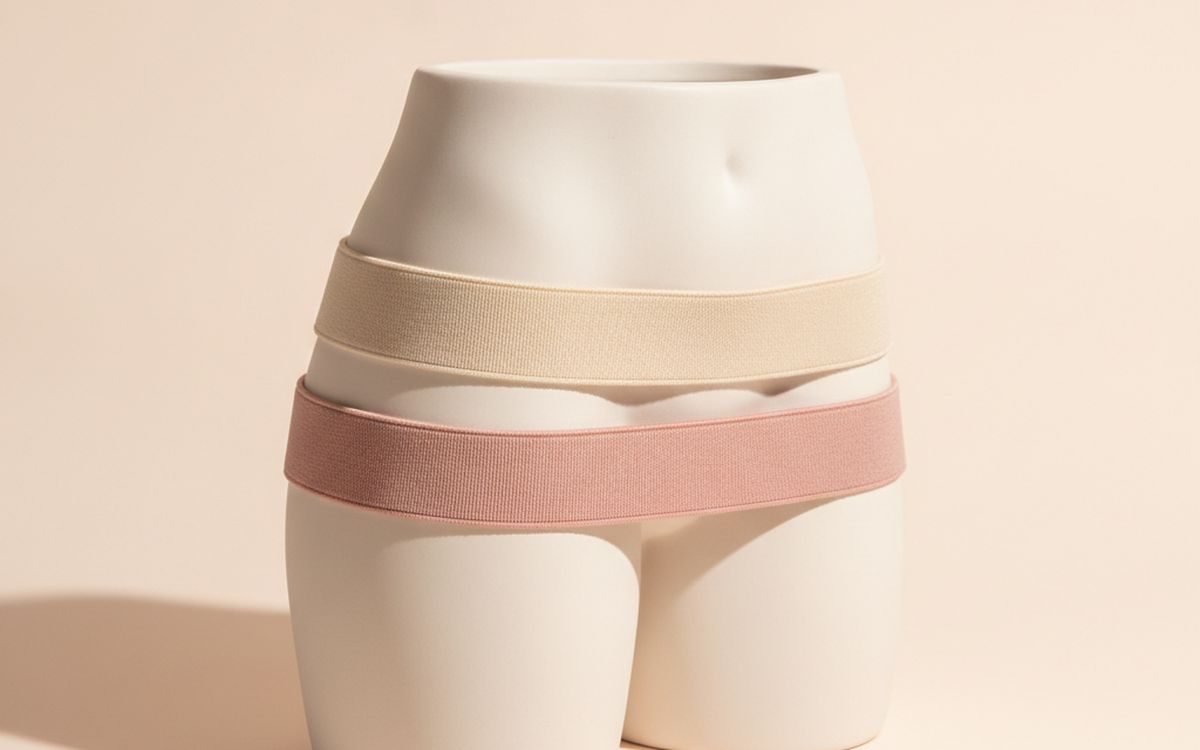
05 · Glutes and legsA set of light resistance loops
Fabric resistance loops add intensity to glute bridges, leg lifts and clamshells, common in Pilates. Fabric bands roll up less than rubber ones. A set of three strengths covers progression. The case for it: adds intensity, small and portable, and cheap. The trade-off is real: sizing matters and rubber loops roll and pinch, so weigh that against how often it would actually get used. For $10-20, it is a small, low-risk addition to the list rather than a centrepiece purchase you need to think hard about. It is a minor purchase in the context of the whole set-up, but the kind that is easy to regret skipping once you notice the gap.
$10-20Trade-off: Sizing matters
Why it is here
- Adds intensity
- Small and portable
- Cheap
Worth knowing
- Sizing matters
- Rubber loops roll and pinch
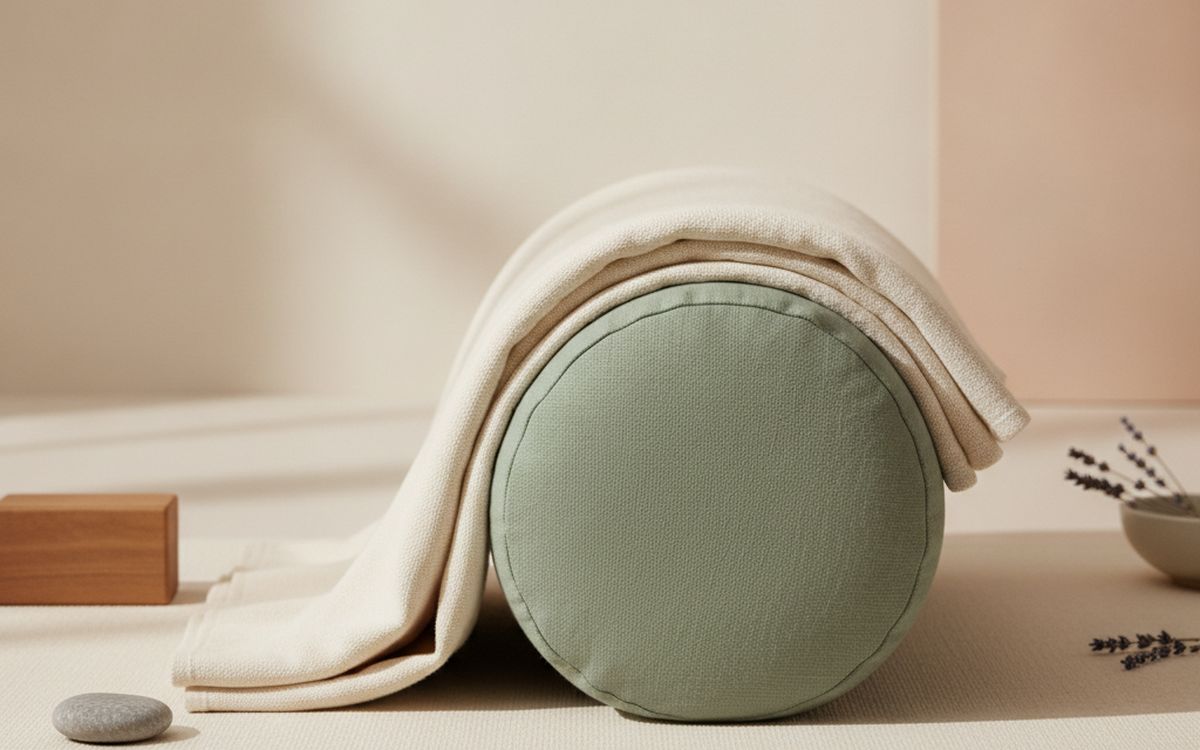
06 · Restorative yogaA yoga bolster
A bolster supports your body in restorative and yin poses, allowing deep relaxation. It also helps in seated meditation. Firm cotton-filled bolsters hold shape best. Couch cushions work in a pinch. The case for it: deep relaxation, supports gentle poses, and great for meditation. The trade-off is real: bulky to store and cheap fillings flatten, so weigh that against how often it would actually get used. Priced around $30-60, it is easy to justify even if it only ends up getting occasional rather than daily use. None of that makes it essential for everyone reading this, only worth knowing about if the description above matches how you actually use the space.
$30-60Trade-off: Bulky to store
Why it is here
- Deep relaxation
- Supports gentle poses
- Great for meditation
Worth knowing
- Bulky to store
- Cheap fillings flatten
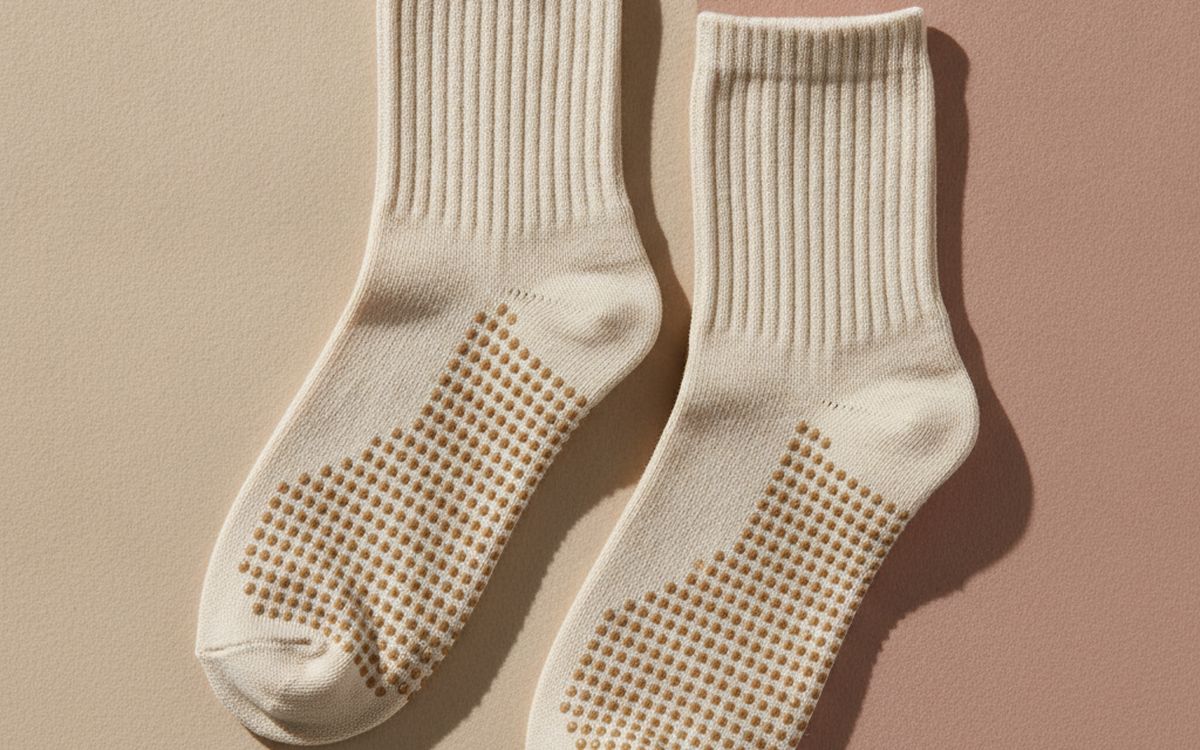
07 · Hard floors and PilatesGrip socks
Grip socks with rubber dots on the soles stop you slipping on hard floors and Pilates equipment, and keep feet warm. They are required in many Pilates studios. The case for it: grip and warmth, hygienic, and cheap. The trade-off is real: wear out with use and some prefer barefoot yoga, so weigh that against how often it would actually get used. At $10-20, it earns its place on this list without asking for a big up-front commitment either way. As with anything on this list, check the exact listing details and current price before adding it to a cart.
$10-20Trade-off: Wear out with use
Why it is here
- Grip and warmth
- Hygienic
- Cheap
Worth knowing
- Wear out with use
- Some prefer barefoot yoga
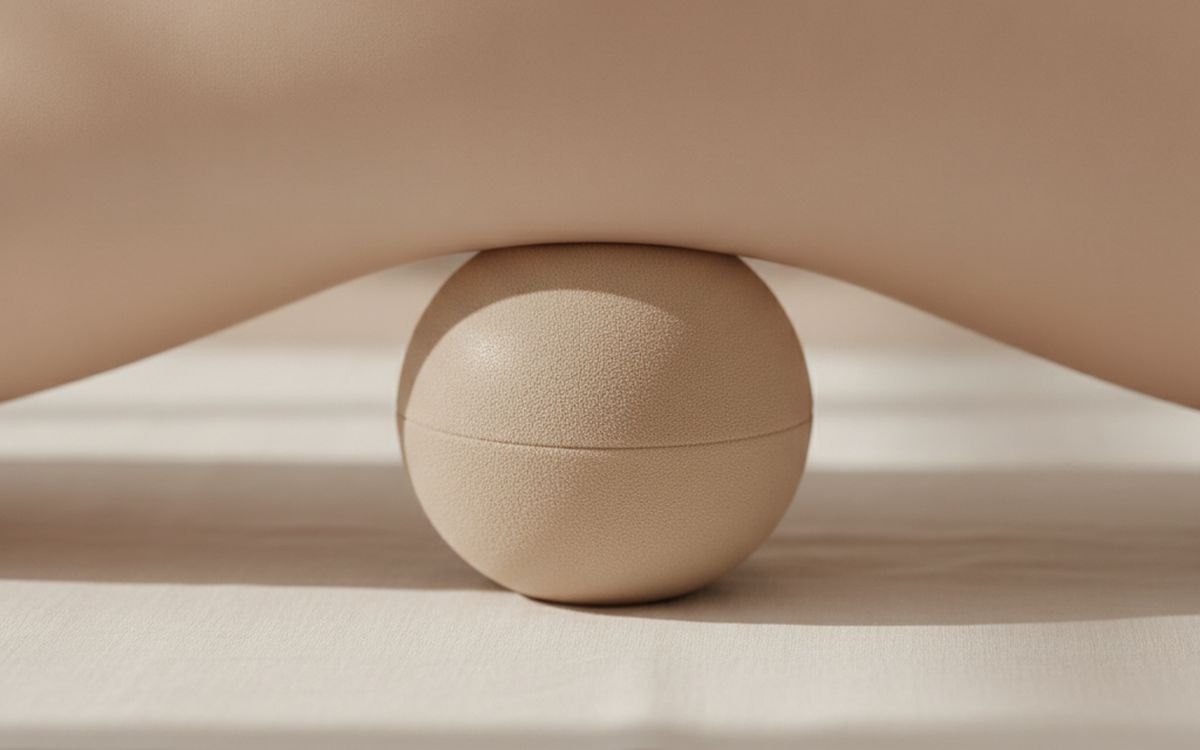
08 · Core work and supportA small Pilates ball
A small soft ball supports the lower back, adds instability for core work and is used between the knees. It is cheap and adds variety. The case for it: core challenge, back support, and cheap. The trade-off is real: loses air over time and small pump needed, so weigh that against how often it would actually get used. For $10-15, it is a small, low-risk addition to the list rather than a centrepiece purchase you need to think hard about. It is a minor purchase in the context of the whole set-up, but the kind that is easy to regret skipping once you notice the gap.
$10-15Trade-off: Loses air over time
Why it is here
- Core challenge
- Back support
- Cheap
Worth knowing
- Loses air over time
- Small pump needed
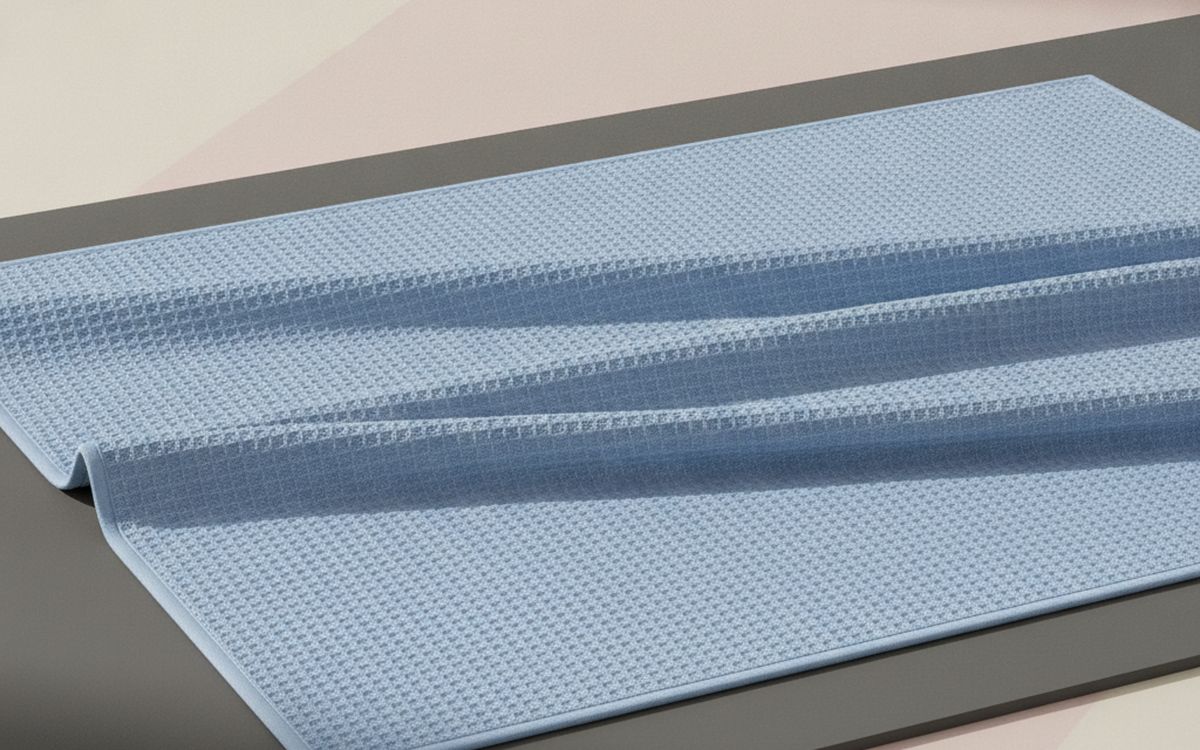
09 · Hot or sweaty sessionsA mat towel
If you sweat a lot, a microfibre mat towel with silicone grip dots stops hands slipping and protects the mat. It is essential for hot yoga. The case for it: better grip when sweaty, protects mat, and washable. The trade-off is real: slippery when dry on some models and needs frequent washing, so weigh that against how often it would actually get used. Priced around $15-30, it is easy to justify even if it only ends up getting occasional rather than daily use. None of that makes it essential for everyone reading this, only worth knowing about if the description above matches how you actually use the space.
$15-30Trade-off: Slippery when dry on some models
Why it is here
- Better grip when sweaty
- Protects mat
- Washable
Worth knowing
- Slippery when dry on some models
- Needs frequent washing
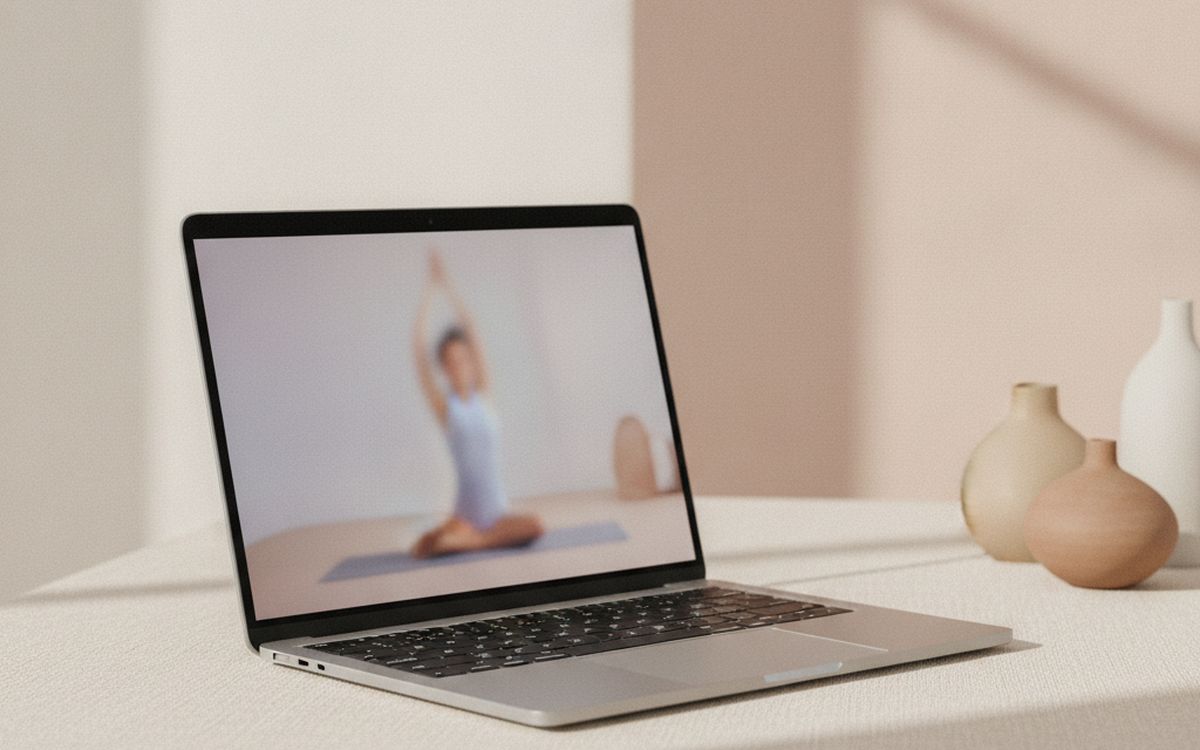
10 · Guided practiceA streaming class subscription
Guided classes teach form and keep you consistent. Free videos on YouTube, such as Yoga With Adriene, are excellent; paid apps add structure and programmes. Start free and pay only if you want more structure. The case for it: guided form, structure, and free options excellent. The trade-off is real: ongoing cost for paid apps and no personal feedback, so weigh that against how often it would actually get used. At $10-20 per month, it earns its place on this list without asking for a big up-front commitment either way. As with anything on this list, check the exact listing details and current price before adding it to a cart.
$10-20 per monthTrade-off: Ongoing cost for paid apps
Why it is here
- Guided form
- Structure
- Free options excellent
Worth knowing
- Ongoing cost for paid apps
- No personal feedback
Common questions
What thickness yoga mat is best?
4-6mm suits most people. Thicker for Pilates and sensitive knees.
Do beginners need yoga blocks?
They help a lot. Blocks make poses reachable with good form.
Can I do Pilates without equipment?
Yes. Mat Pilates needs only a mat; rings and bands add variety.
Yoga or Pilates?
Yoga emphasises flexibility and breath; Pilates emphasises core strength. Many people do both.
Today's deals
See what is discounted right now.
Deals →← All guides
As an AliExpress affiliate we earn from qualifying purchases. Prices and availability are accurate as of the date of publication and may change.