Crochet and knitting are relaxing, portable and cheap to start, which is why so many people try them. Many stop after a few frustrating evenings, usually because they started with the wrong yarn: dark, fuzzy or splitty, so they could not see their stitches. The right starting materials make the learning much faster.
This list is ordered by how much each item helps. Smooth, light-coloured yarn and ergonomic hooks or needles come first. Then the small accessories that make projects easier to finish.
Prices below are approximate street prices at the time of writing and move around constantly, especially during sale events. Treat them as a rough band for budgeting, not a quote. Always check the live listing before you buy.
The short version
Smooth, light-coloured worsted weight yarn
The thing that makes learning easier
Disclosure. The links on this page are affiliate links. If you buy through one we may earn a commission at no extra cost to you. It does not affect what makes this list or the order it is in.
How we picked
These picks come from craft teachers, fibre arts communities and long-run owner reports, cross-checked against current retail listings. We have not personally tested every item here. Free video tutorials and beginner patterns are widely available and are the best teacher alongside these supplies.
At a glance
Prices are approximate at the time of writing and change often.
The picks
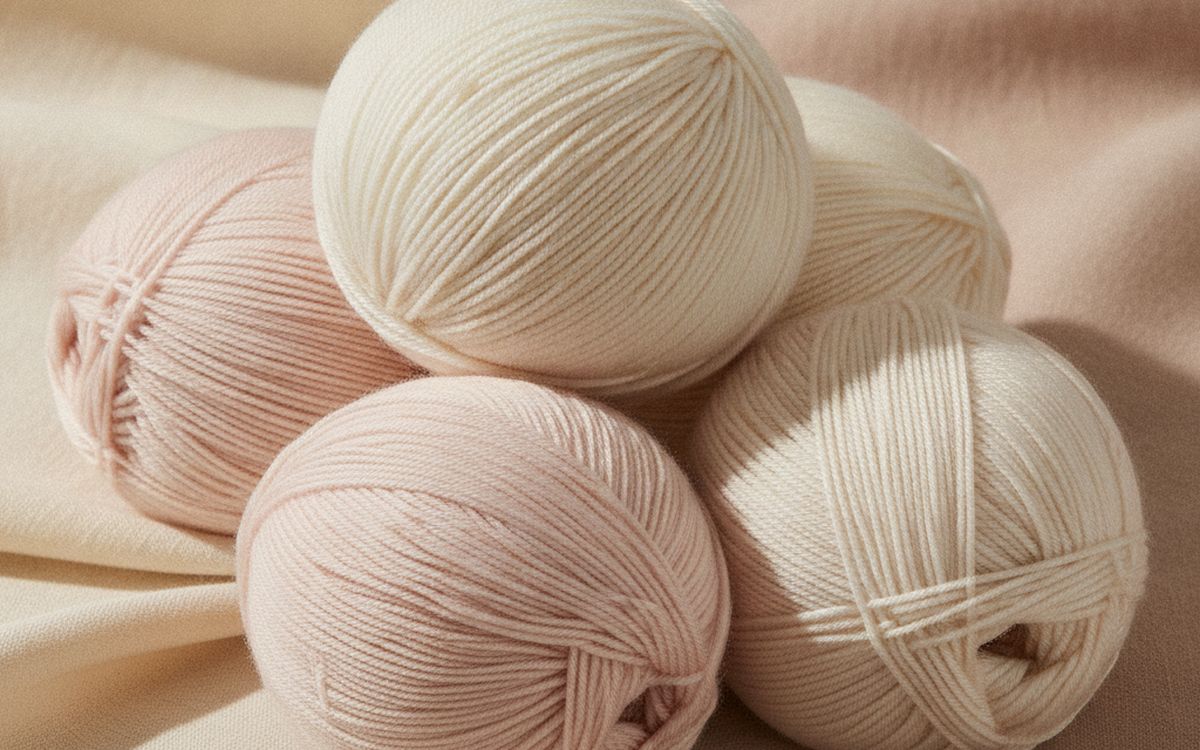
01 · The thing that makes learning easierSmooth, light-coloured worsted weight yarn
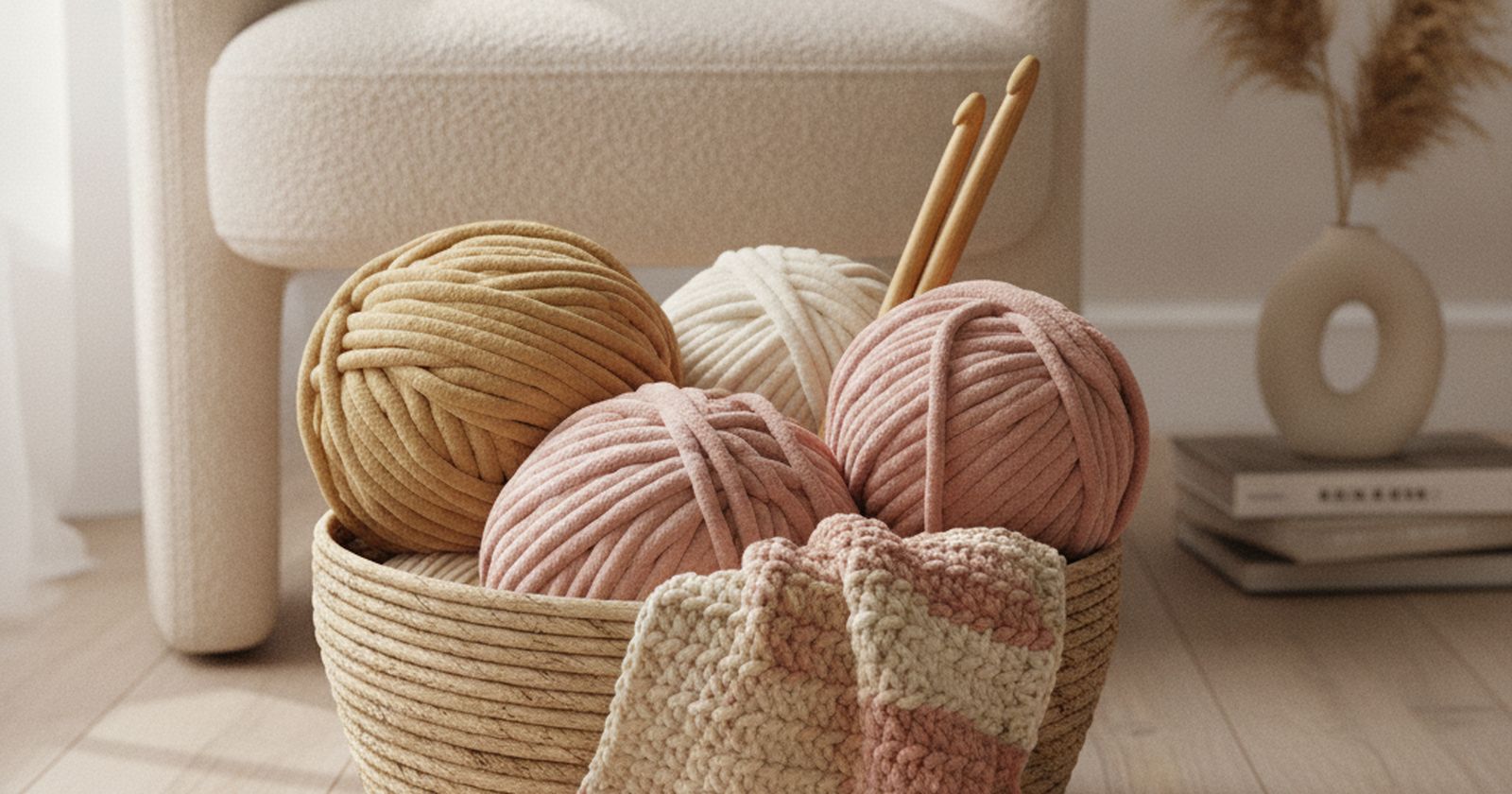
Beginners need to see each stitch clearly. Smooth, light-coloured worsted weight yarn shows stitches well and does not split. Avoid dark colours, fluffy mohair, chunky chenille and velvet yarns until you are confident; they hide stitches and are hard to undo. Acrylic or cotton blends are cheap and forgiving. Buy extra, because practice uses a lot. The case for it: easy to see stitches, cheap for practice, and forgiving. The trade-off is real: acrylic is less warm than wool and novelty yarns are hard for beginners, so weigh that against how often it would actually get used.
$5-10 per skeinTrade-off: Acrylic is less warm than wool
Why it is here
- Easy to see stitches
- Cheap for practice
- Forgiving
Worth knowing
- Acrylic is less warm than wool
- Novelty yarns are hard for beginners
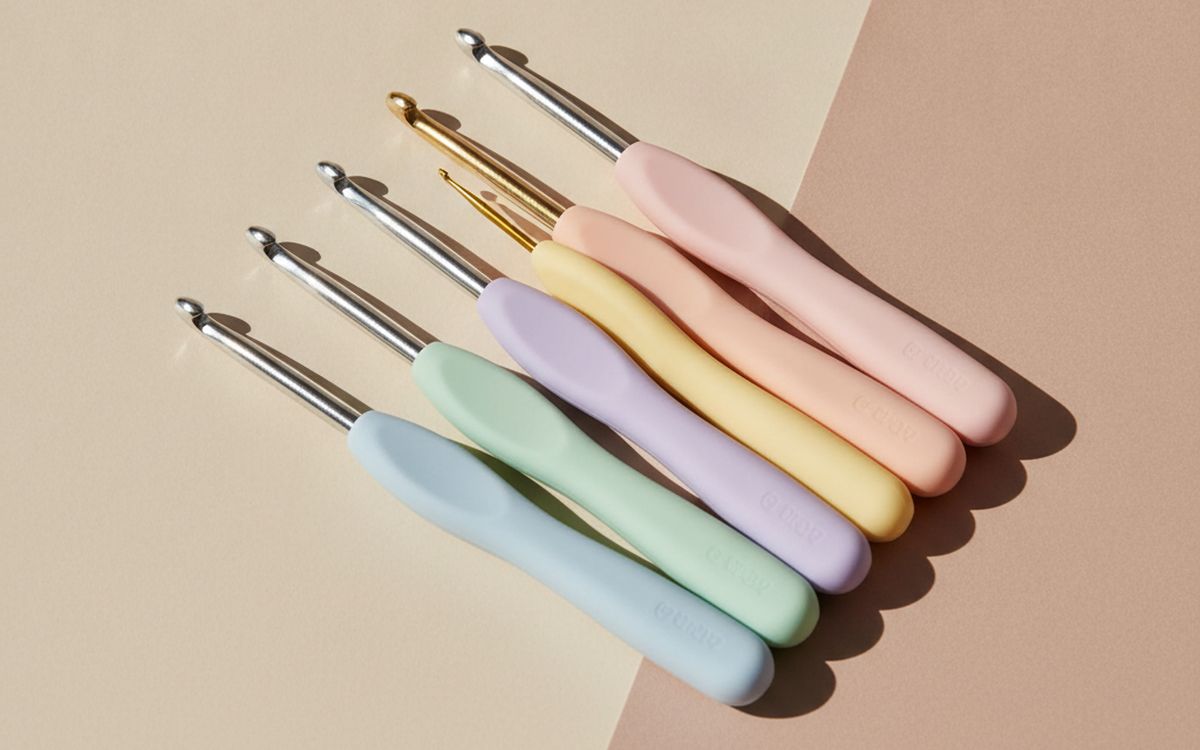
02 · Comfortable crochetErgonomic crochet hooks
Thin metal hooks cause hand cramps in long sessions. Hooks with soft, thick handles are much more comfortable, especially for people with arthritis. A set covering 2-6mm handles most yarns; a 5mm hook suits worsted weight. Clover Amour and similar sets are popular. The case for it: less hand strain, covers most yarn weights, and good for long sessions. The trade-off is real: cheap sets have rough hooks that snag and check sizes are marked, so weigh that against how often it would actually get used. For $10-25, it is a small, low-risk addition to the list rather than a centrepiece purchase you need to think hard about.
$10-25Trade-off: Cheap sets have rough hooks that snag
Why it is here
- Less hand strain
- Covers most yarn weights
- Good for long sessions
Worth knowing
- Cheap sets have rough hooks that snag
- Check sizes are marked
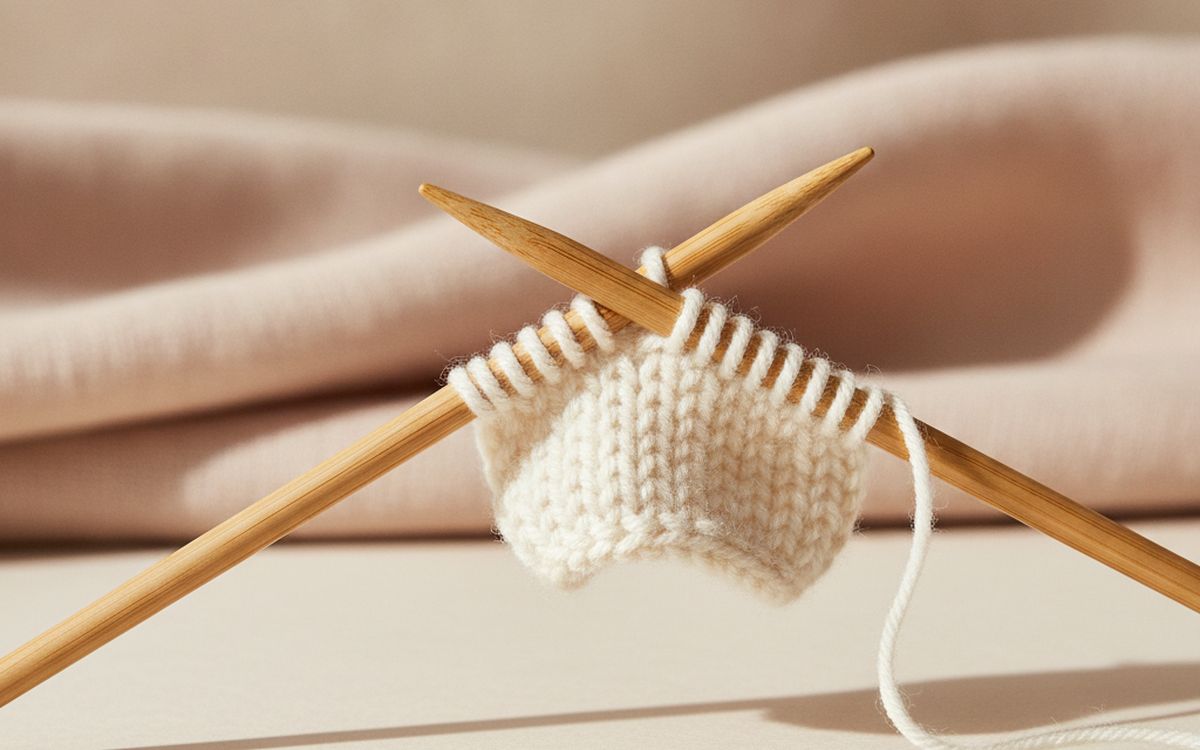
03 · Beginner knittingBamboo or wooden knitting needles
Metal needles are slippery, and stitches slide off, which frustrates beginners. Bamboo and wood have a bit of grip, which keeps stitches on the needle. Start with a medium size such as US 8 (5mm) for worsted weight yarn. The case for it: stitches stay on, warm and light, and quiet. The trade-off is real: thin wooden needles can snap and slower than metal once experienced, so weigh that against how often it would actually get used. Priced around $10-20, it is easy to justify even if it only ends up getting occasional rather than daily use.
$10-20Trade-off: Thin wooden needles can snap
Why it is here
- Stitches stay on
- Warm and light
- Quiet
Worth knowing
- Thin wooden needles can snap
- Slower than metal once experienced
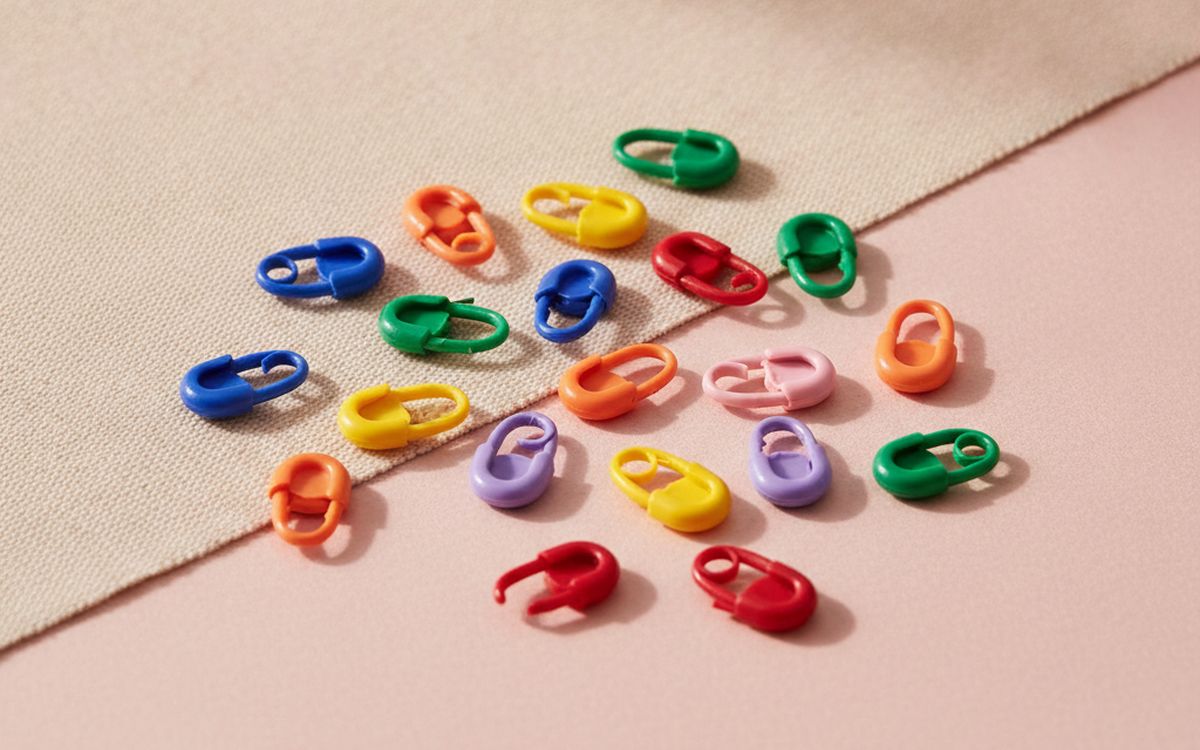
04 · Not losing your placeStitch markers
Stitch markers mark the start of a round, pattern repeats or increases. For crochet, they are almost essential for amigurumi and working in rounds. Locking markers work for both crafts. The case for it: keeps your place, essential for rounds, and cheap. The trade-off is real: easy to lose and cheap plastic ones snag yarn, so weigh that against how often it would actually get used. At $5-10, it earns its place on this list without asking for a big up-front commitment either way. As with anything on this list, check the exact listing details and current price before adding it to a cart.
$5-10Trade-off: Easy to lose
Why it is here
- Keeps your place
- Essential for rounds
- Cheap
Worth knowing
- Easy to lose
- Cheap plastic ones snag yarn
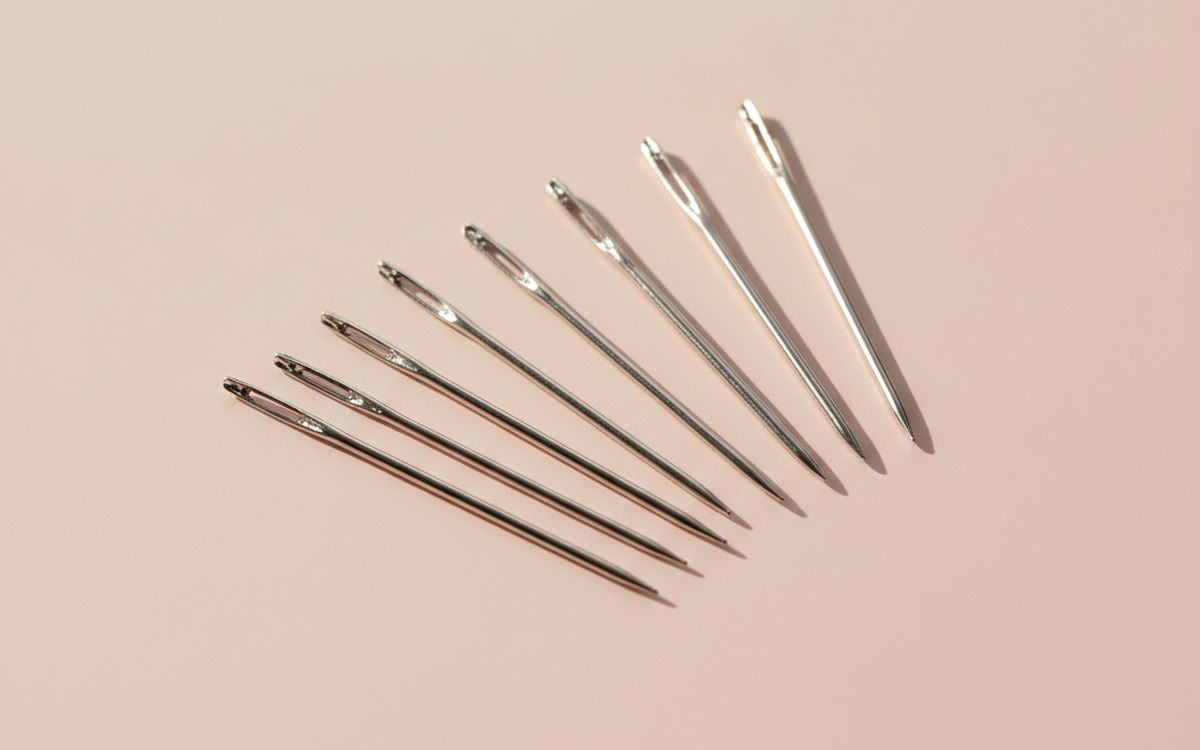
05 · Weaving in endsA tapestry needle set
Finishing a project means weaving yarn ends in and sewing pieces together. Blunt tapestry needles with large eyes slide through stitches without splitting yarn. Bent-tip needles are easier. They are cheap and easy to lose, so buy a set with a case. The case for it: neat finishing, doesn't split yarn, and cheap. The trade-off is real: easily lost and plastic ones bend, so weigh that against how often it would actually get used. For $5-8, it is a small, low-risk addition to the list rather than a centrepiece purchase you need to think hard about.
$5-8Trade-off: Easily lost
Why it is here
- Neat finishing
- Doesn't split yarn
- Cheap
Worth knowing
- Easily lost
- Plastic ones bend

06 · Clean cutsSmall sharp scissors
Small, sharp scissors cut yarn cleanly and fit in a project bag. Embroidery scissors are the classic choice. Keep them only for yarn so they stay sharp. The case for it: clean cuts, portable, and cheap. The trade-off is real: pointed tips need a cover and dull quickly on paper, so weigh that against how often it would actually get used. Priced around $8-15, it is easy to justify even if it only ends up getting occasional rather than daily use. None of that makes it essential for everyone reading this, only worth knowing about if the description above matches how you actually use the space.
$8-15Trade-off: Pointed tips need a cover
Worth knowing
- Pointed tips need a cover
- Dull quickly on paper
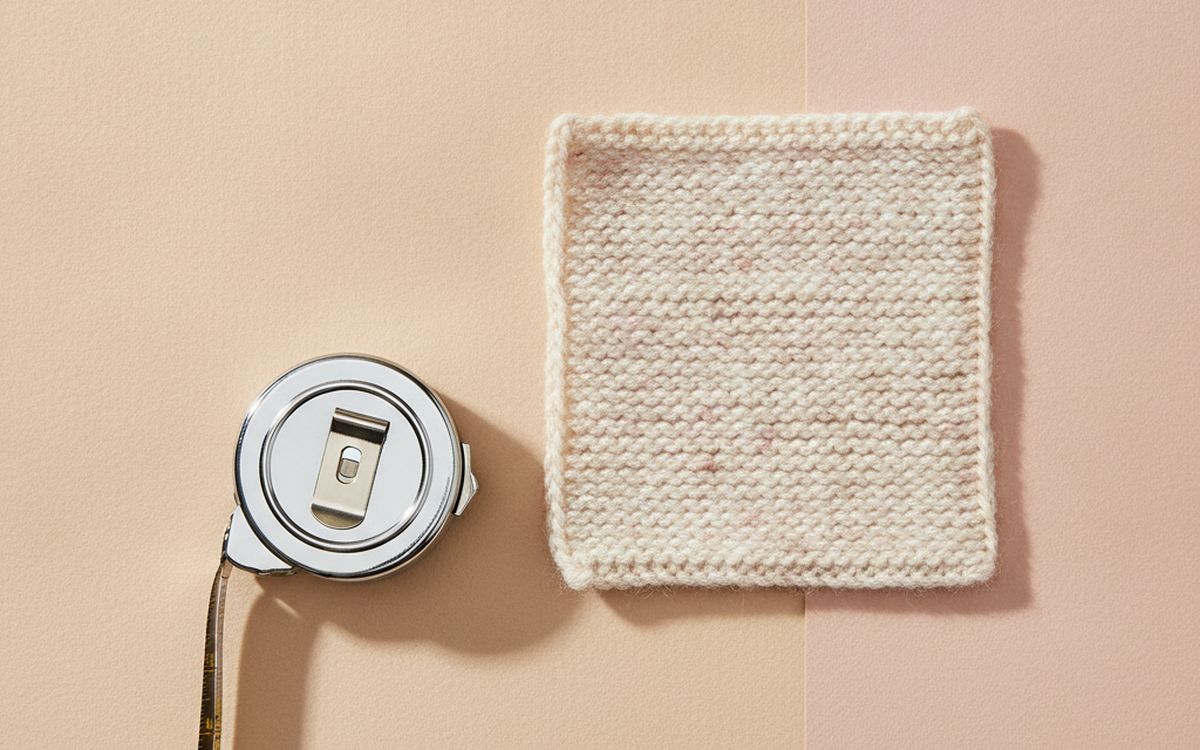
07 · Checking sizeA tape measure
Patterns give sizes and gauge, and checking your stitches per inch is how a sweater ends up fitting. A small retractable tape measure lives in the project bag. The case for it: check gauge and size, tiny, and cheap. The trade-off is real: cheap ones stretch and check it measures in both inches and cm, so weigh that against how often it would actually get used. At $3-6, it earns its place on this list without asking for a big up-front commitment either way. As with anything on this list, check the exact listing details and current price before adding it to a cart.
$3-6Trade-off: Cheap ones stretch
Why it is here
- Check gauge and size
- Tiny
- Cheap
Worth knowing
- Cheap ones stretch
- Check it measures in both inches and cm
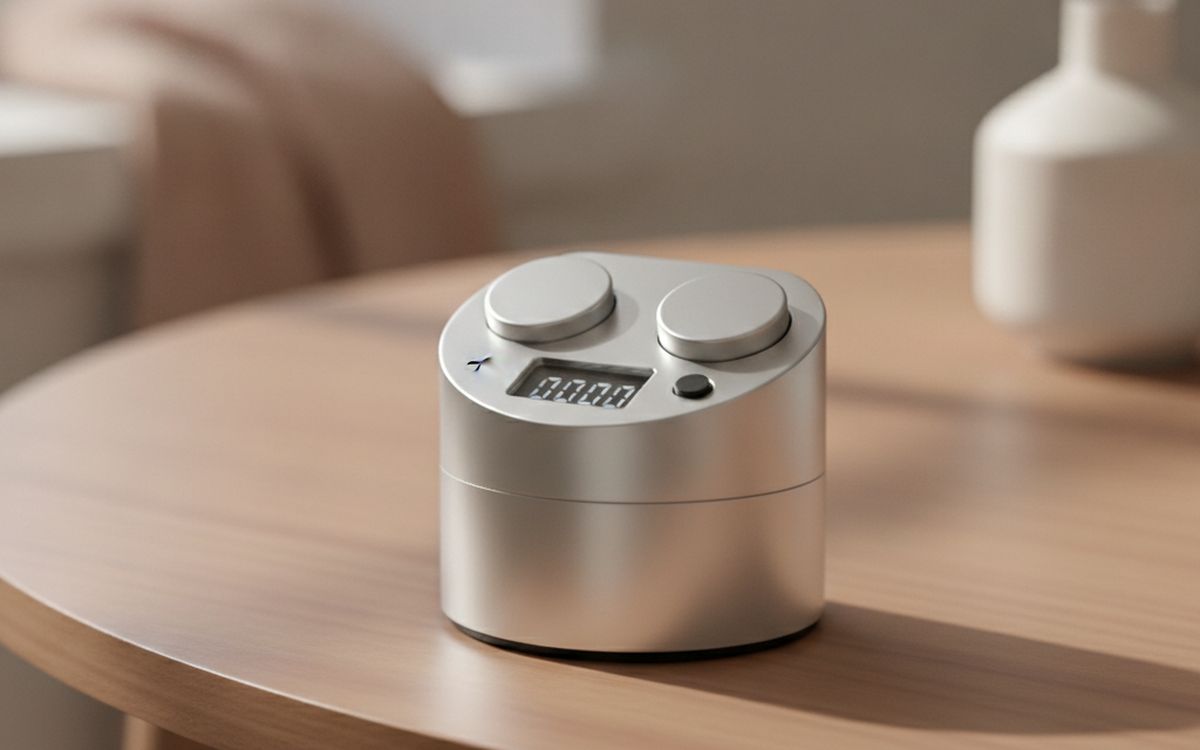
08 · Keeping countA row counter
Losing count of rows is one of the most common beginner frustrations. A click counter or ring counter keeps track. Phone apps work too, but a physical counter is quicker. The case for it: never lose count, cheap, and quick. The trade-off is real: must remember to click and apps work too, so weigh that against how often it would actually get used. For $5-10, it is a small, low-risk addition to the list rather than a centrepiece purchase you need to think hard about. It is a minor purchase in the context of the whole set-up, but the kind that is easy to regret skipping once you notice the gap.
$5-10Trade-off: Must remember to click
Why it is here
- Never lose count
- Cheap
- Quick
Worth knowing
- Must remember to click
- Apps work too
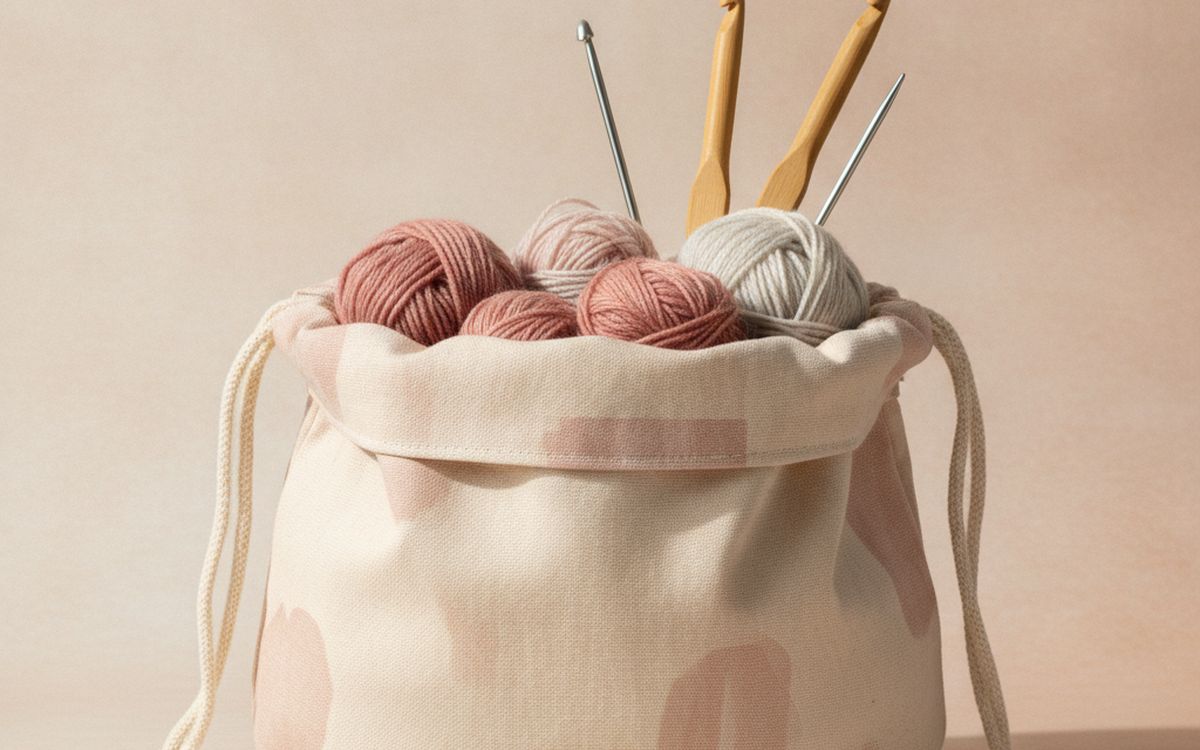
09 · Carrying projectsA project bag
A project bag keeps yarn clean, stops tangles and makes it easy to take crafting on trips and commutes. Look for a yarn guide hole and inside pockets. The case for it: keeps projects together, portable, and protects yarn. The trade-off is real: nice-to-have, not essential and velcro snags yarn, so weigh that against how often it would actually get used. Priced around $10-25, it is easy to justify even if it only ends up getting occasional rather than daily use. None of that makes it essential for everyone reading this, only worth knowing about if the description above matches how you actually use the space.
$10-25Trade-off: Nice-to-have, not essential
Why it is here
- Keeps projects together
- Portable
- Protects yarn
Worth knowing
- Nice-to-have, not essential
- Velcro snags yarn
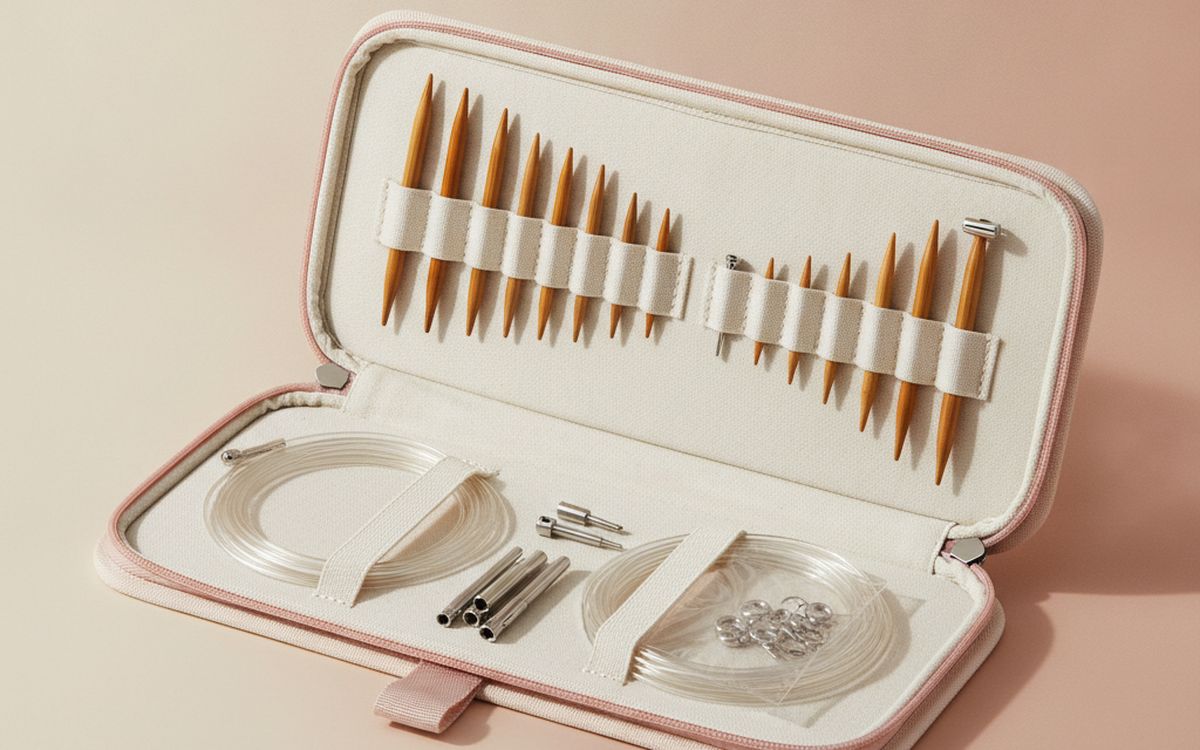
10 · Committed knittersInterchangeable circular needle set
Once you are hooked on knitting, an interchangeable set with needle tips and cables in many sizes replaces dozens of separate needles and works for hats, sweaters and blankets. It is a big purchase, so buy it once you know you are sticking with it. The case for it: replaces dozens of needles, works for most projects, and lasts for years. The trade-off is real: connections can loosen and expensive for beginners, so weigh that against how often it would actually get used. At $50-120, it earns its place on this list without asking for a big up-front commitment either way.
$50-120Trade-off: Connections can loosen
Why it is here
- Replaces dozens of needles
- Works for most projects
- Lasts for years
Worth knowing
- Connections can loosen
- Expensive for beginners
Common questions
Is crochet or knitting easier to learn?
Many find crochet easier to start because there is only one live loop. Both are learnable in a weekend with video tutorials.
What yarn should beginners use?
Smooth, light-coloured worsted weight yarn.
What is a good first project?
A dishcloth or a simple scarf. Small, flat and forgiving.
Are beginner kits worth it?
Some are, but many have poor hooks and yarn. Buying a few good pieces separately often works better.
Today's deals
See what is discounted right now.
Deals →← All guides
As an AliExpress affiliate we earn from qualifying purchases. Prices and availability are accurate as of the date of publication and may change.